Crowding and service densitySPACE
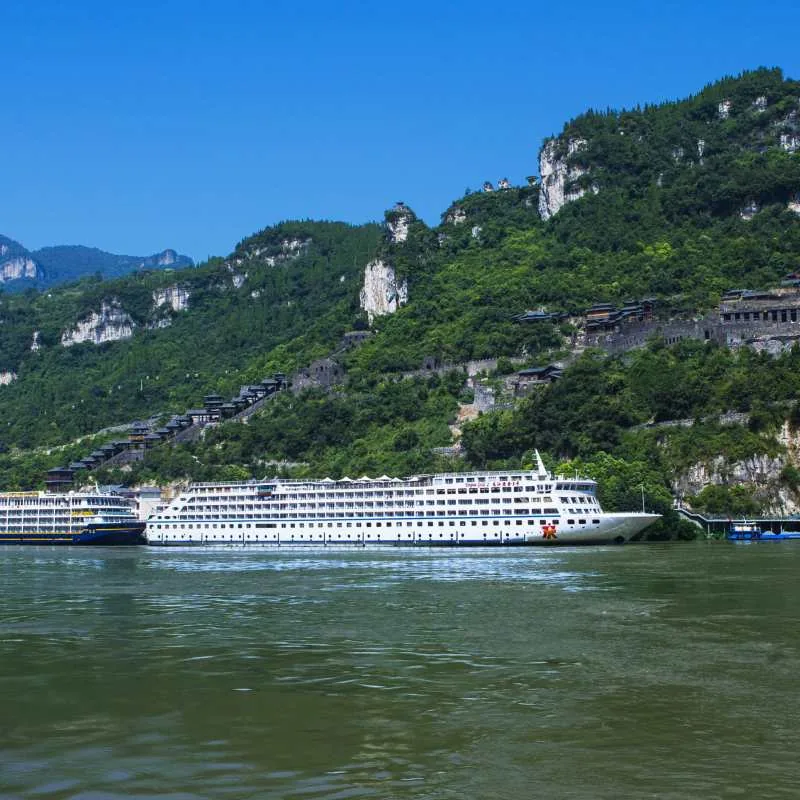
Small ships carry about 150 guests, so restaurants and decks stay uncrowded, the crew-to-guest ratio can approach 1:1, and commentary is easy to follow with more interaction. Large ships carry several hundred; total public space is bigger but peak times get busy and service is more standardised.
Facilities and diningFACILITIES
Large ships offer more: multiple restaurants, a theatre, gym and kids' club — good for families and livelier travellers. Small ships keep facilities lean but refined, with dining geared to small groups.
Price differencePRICE
For the same 4-day/3-night trip, large-ship standard cabins are usually friendlier on price; small ships cost clearly more due to higher per-guest service cost. Compare 'per-person-per-day' alongside service density for a fair view.
Match the ship to your needsVERDICT
Quiet and English interaction → small ship; facilities and value → large ship; travelling with children → large ship; a special occasion → small ship.
FAQFAQ
Are small ships too basic?
No. Ships like the Yangzi Explorer are refined: lean facilities but more personal service and dining, suited to travellers who value quality over buzz.
Do large ships feel crowded?
Total public space is large, but dining and popular activities get busy; off-peak timing or a suite helps.
Which suits foreigners better?
Small ships for in-depth English commentary; large ships for facilities and value.
Enquire & Book
Tell us whether you value quiet or facilities and we will quote one small and one large ship.